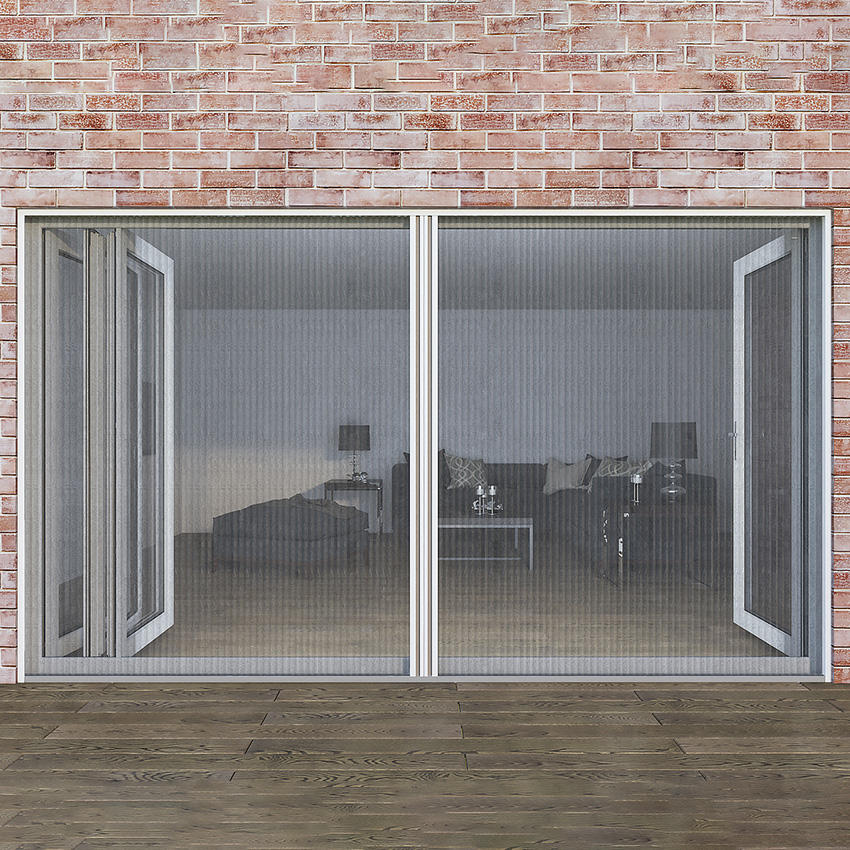
A window screen is easy to ignore until it stops doing its job. Dust and pollen clog the mesh, airflow drops, and the screen starts looking like a grey film instead of a clear barrier. In American homes, screens take a beating: pollen in spring, dust in summer, and the occasional pet leaning against the frame.
The good news is that most screen problems are preventable. A few minutes of maintenance every few months can extend the life of a screen by years. This guide covers how to clean different mesh types, how often to do it, and when to repair versus replace.
Why Screen Maintenance Matters A dirty screen does more than look bad. It affects performance in three ways:
Reduced airflow. Dust and pollen clog the weave, blocking the air that is supposed to pass through. A clogged screen makes a room feel stuffy, even with the window open.
Reduced filtration. A screen coated in dust cannot filter new dust. Particles bounce off the existing layer or get pushed through into the room.
Shortened lifespan. Dirt and moisture trap against the mesh. In metal screens, this causes corrosion. In fabric screens, it causes mold. A neglected screen fails years earlier than a maintained one.
Cleaning a screen takes about five minutes. Replacing it takes an hour and costs money. The math is simple.
How Often to Clean Your Screens The right frequency depends on where you live and what the screen is exposed to. In most American homes, a twice-a-year schedule works: once in spring before pollen season, and once in fall after it .
If you live in an area with heavy pollen, clean monthly during peak season. If you are near construction or a busy road, clean every 4–6 weeks during dry weather. Coastal homes should rinse screens after storm season to remove salt residue.
If you are not sure, look at the screen. If it looks grey instead of black (or white instead of its original color), it is time to clean.
How to Clean Different Mesh Types Not all mesh is the same. The cleaning method that works for fiberglass can damage a fine no-see-um screen. Match the approach to the material.
Fiberglass Mesh Fiberglass is the most common screen material in American homes, and also the most delicate . Use only a soft brush or vacuum with a brush attachment for dry dust. For wet cleaning, use mild dish soap and a soft sponge. Do not scrub hard — fiberglass strands fray easily, and once they fray, the screen is on borrowed time.
Aluminum Mesh Aluminum is stiffer and more durable than fiberglass, but it dents permanently and can corrode in coastal areas . Use mild soap and a soft brush. Dry thoroughly after cleaning to prevent water spots and corrosion. Avoid acidic cleaners, which can stain the metal.
Pet Screen (Vinyl-Coated Polyester) Pet screen is tougher than fiberglass, but the vinyl coating can be damaged by harsh chemicals. Use mild soap and a soft cloth. Do not use abrasive pads or solvents. Rinse thoroughly to remove soap residue, which can attract dust .
No-See-Um / Fine Mesh Fine mesh has a tighter weave, which means dust and pollen sit on the surface rather than passing through . This makes it easier to clean in one sense (the particles are on top), but the fine strands are more fragile. Use a soft brush only. Do not use a vacuum with strong suction, which can pull the mesh out of the frame.
Step-by-Step: How to Clean a Screen Step 1: Remove the screen (if possible) If the screen is removable, take it out and lay it flat. This is easier and safer than cleaning it in place. If the screen is fixed (magnetic or adhesive), clean it in place and be gentle with the frame.
Step 2: Dry dust first Use a soft brush or vacuum brush attachment to remove loose dust, pollen, and cobwebs. Do this before wetting the screen — wet dust turns into mud, which is harder to remove . Work from top to bottom so dust falls away.
Step 3: Wash with soapy water Fill a bucket with warm water and a few drops of mild dish soap. Dip a soft sponge or microfiber cloth, wring it out, and gently wipe the screen. Work in sections. Do not scrub hard — the goal is to lift dust, not abrade the mesh .
Step 4: Rinse If the screen is removable, rinse with a garden hose on low pressure or in a shower. If it is fixed, wipe down with a clean, damp cloth to remove soap residue. Soap residue attracts dust, so rinse thoroughly.
Step 5: Dry completely Let the screen air-dry completely before reinstalling. If you reinstall a wet screen, moisture can get trapped against the frame and cause corrosion or mold . If the screen is fixed, wipe it dry with a clean cloth.
How to Prevent Common Screen Problems Most screen problems are preventable. Here is what to watch for.
Dust buildup. Clean regularly. A screen cleaned every few months never reaches the point where dust is caked on.
Mold and mildew. Mold grows in humid conditions, especially on fabric screens. Dry the screen completely after cleaning, and keep indoor humidity below 60%. If mold appears, clean with diluted white vinegar (1 part vinegar to 3 parts water) and dry thoroughly.
Corrosion. Metal screens corrode in coastal areas or high humidity. Rinse after exposure to salt air, dry thoroughly, and choose aluminum or stainless steel over fiberglass if you live near the ocean .
Sagging. Fiberglass screens sag over time as the material stretches. Aluminum and stainless steel do not sag. If a fiberglass screen is sagging, it is usually time to replace the mesh, not just clean it .
When to Repair vs Replace A small tear does not mean the screen is finished. A patch works for tears under two inches, and a $5 repair kit can fix several small holes . Clean the area, cut a patch slightly larger than the tear, and press it firmly over the damage.
But some problems are not worth repairing. Large tears (over 2–3 inches), multiple tears, sagging mesh, or frames that are bent or corroded mean replacement is the better investment . A patched screen lasts months; a new screen lasts years.
If the frame is still good, re-screening (replacing just the mesh) costs $15–30 per screen and takes 30–60 minutes . This is a practical middle ground between patching and buying a whole new screen.
What to Send Us If your screens are past the point of cleaning and repair, a custom replacement is the permanent fix. Send us:
Window type — double-hung, casement, sliding, or fixed
Width and height — exact measurements to the nearest 1/16 inch
Mesh preference — fiberglass, aluminum, pet screen, or no-see-um
Photos — showing the tape measure in the screen channel
We will confirm the fit and send a free quote within 24 hours. If your current mesh is wrong for your use case — fiberglass in a home with a large dog, for example — we will tell you before you order.
Get a Free Quote →