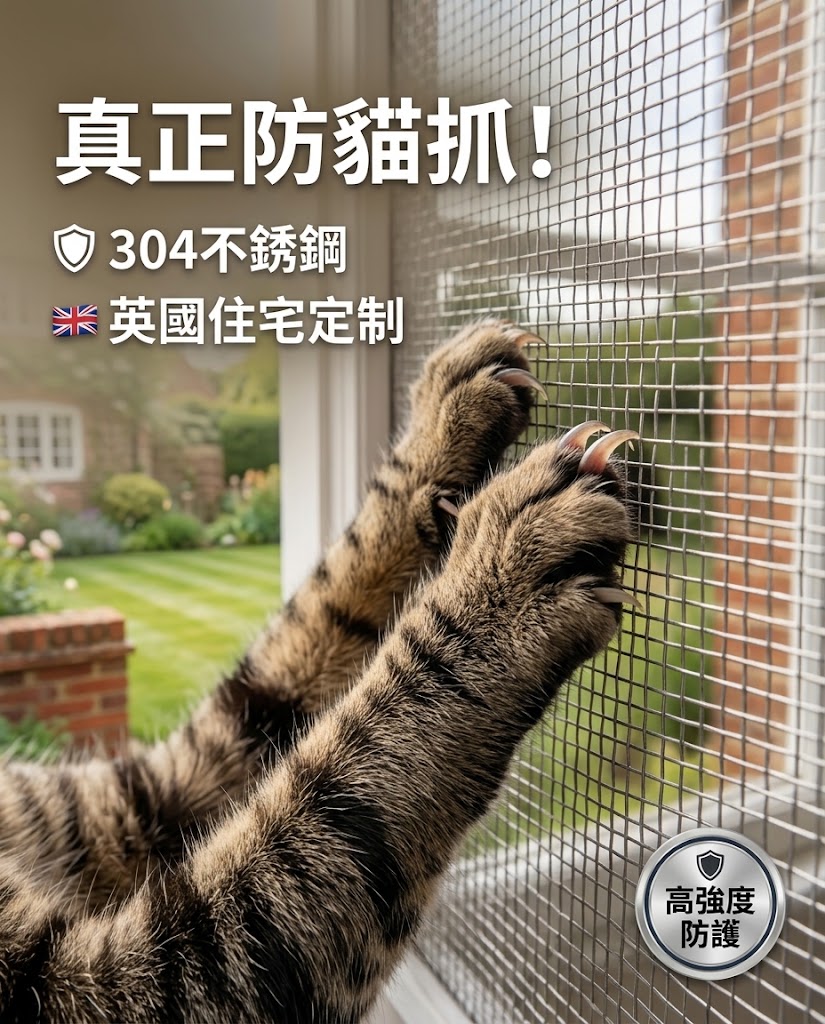
A torn screen door is one of the most common complaints among American dog owners. The mesh is shredded at nose height, the frame is bent, and the screen keeps popping out of its track. Most people blame the dog. The truth is simpler: standard screen doors are not built for dogs that lean, push, or bolt.
Understanding why dogs push through screens is the first step to fixing the problem. The second step is choosing a screen system that matches your dog’s behavior, not just the size of your window.
The Real Reason Dogs Push Through Screens Dogs do not push through screens out of spite. The Wisconsin Humane Society points out that dogs are highly motivated by the outside world — squirrels, scents, other animals — and will push through barriers if the reward is high enough . A screen that looks like a barrier to a human looks like a flimsy curtain to a determined dog.
There are three common triggers:
Prey drive. A dog sees a squirrel or cat on the other side and charges. The screen is the only thing between them and the target.
Separation anxiety or excitement. When you come home, your dog is thrilled. A jumping, pushing greeting is enough to tear standard fiberglass.
Curiosity at the nose level. Dogs investigate the world with their noses. A screen at nose height gets pushed, licked, and scratched constantly. Over time, the mesh weakens and fails.
The mistake most homeowners make is replacing torn fiberglass with more fiberglass. It will tear again. The mesh is the problem.
Fiberglass vs Pet Screen vs Stainless Steel Standard fiberglass screens use a thin weave that is designed to stop insects, not animals. A single paw swipe or a nose push can tear it. Pet screen (vinyl-coated polyester) is significantly stronger — manufacturers claim up to seven times the tear resistance of fiberglass . It handles normal scratching and nose pushing well.
But for dogs that charge the door, even pet screen has limits. Stainless steel mesh is the only material that genuinely resists a determined dog. It is the same category of material used in security screens, and it does not tear under claws or impact . The trade-off is cost and slightly reduced visibility.
For most American households, the decision looks like this:
Small dog, occasional scratching: Pet screen is sufficient.
Large dog, pushes but does not charge: Pet screen with a reinforced frame.
Large dog that bolts or jumps at the door: Stainless steel mesh.
Why the Frame Matters as Much as the Mesh A common mistake is upgrading the mesh but keeping the original frame. Heavy mesh puts more tension on the frame. Thin roll-formed aluminum frames bow inward, and the spline pops out under pressure . If your dog pushes against the door, the frame takes that force too.
A pet-proof door should use an extruded aluminum frame, which is stronger and less prone to bending than budget rolled frames . The rollers and track also matter. A dog pushing against a sliding screen can knock it off its track if the rollers are worn or the track is dirty. Cleaning the track and adjusting the rollers is a five-minute fix that prevents a much larger problem .
The Solution Nobody Talks About: A Pet Flap If your dog is tearing the screen to get in and out, the real solution is not a stronger screen. It is a screen-mounted pet flap. These are lightweight frames that sandwich the mesh, with a flap that the dog pushes open. They come in sizes from cats to large dogs .
The installation is straightforward: measure your dog’s shoulder width and height, cut an opening in the lower panel of the screen, and clamp the flap frame through the mesh. The key is to install the flap in the lower panel, ideally under a mid-rail, so the frame supports it. A flap installed in thin fiberglass will tear out within a season .
For renters, a screen-mounted flap is a practical alternative to installing a pet door in the glass slider. It is removable, does not damage the door, and solves the root cause — the dog no longer needs to push through the screen at all.
When to Replace the Whole Door If your current screen door has a bent frame, frozen rollers, or multiple tears, rescreening is not worth the effort. A bent frame will never sit straight in the track, and a new mesh will not fix the underlying problem . Replacement sliding screen doors typically cost $80–$250 and take under an hour to install .
When ordering a replacement, measure the opening (the track to track), not the old door. Use the smaller of the top and bottom width measurements. Note the track style (top-hung or bottom-rolling) and the handle side . These details prevent the frustration of a door that does not fit.
What to Send Us If your screen door is past repair, or if you want a pet-proof solution built to your exact opening, send us:
Door type — sliding patio door, hinged door, or fixed panel
Width and height — track-to-track measurements to the nearest 1/16 inch
Dog size and behavior — small/medium/large, and whether they push, scratch, or charge
Photos — showing the track and the damaged area
We will recommend the right mesh and frame for your dog, confirm the fit, and send a free quote within 24 hours.
Get a Free Quote →